Kai can’t hold up his head. I’ve dropped the yet from that sentence, and as I type this I’ve got a lump in my throat.
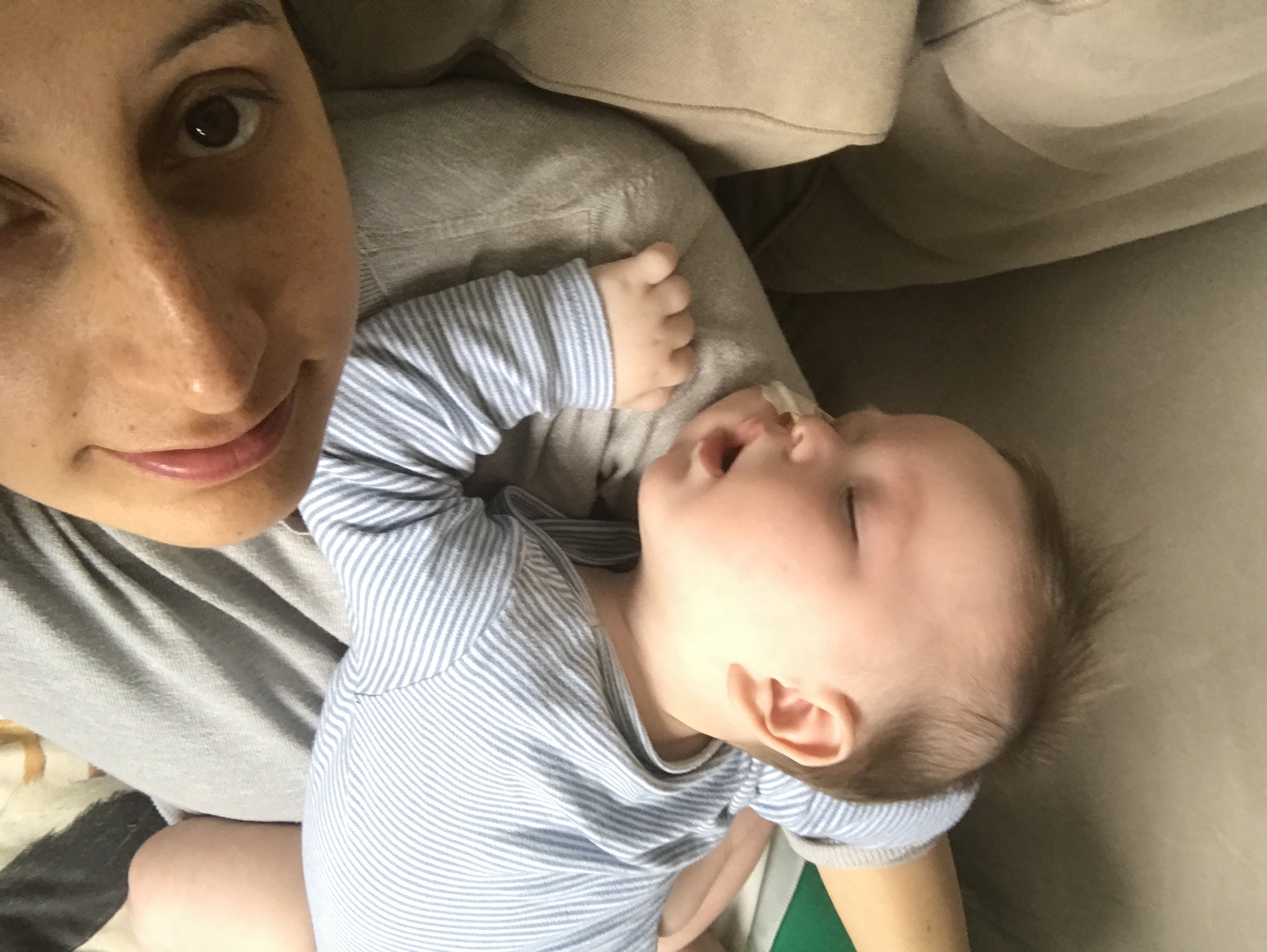
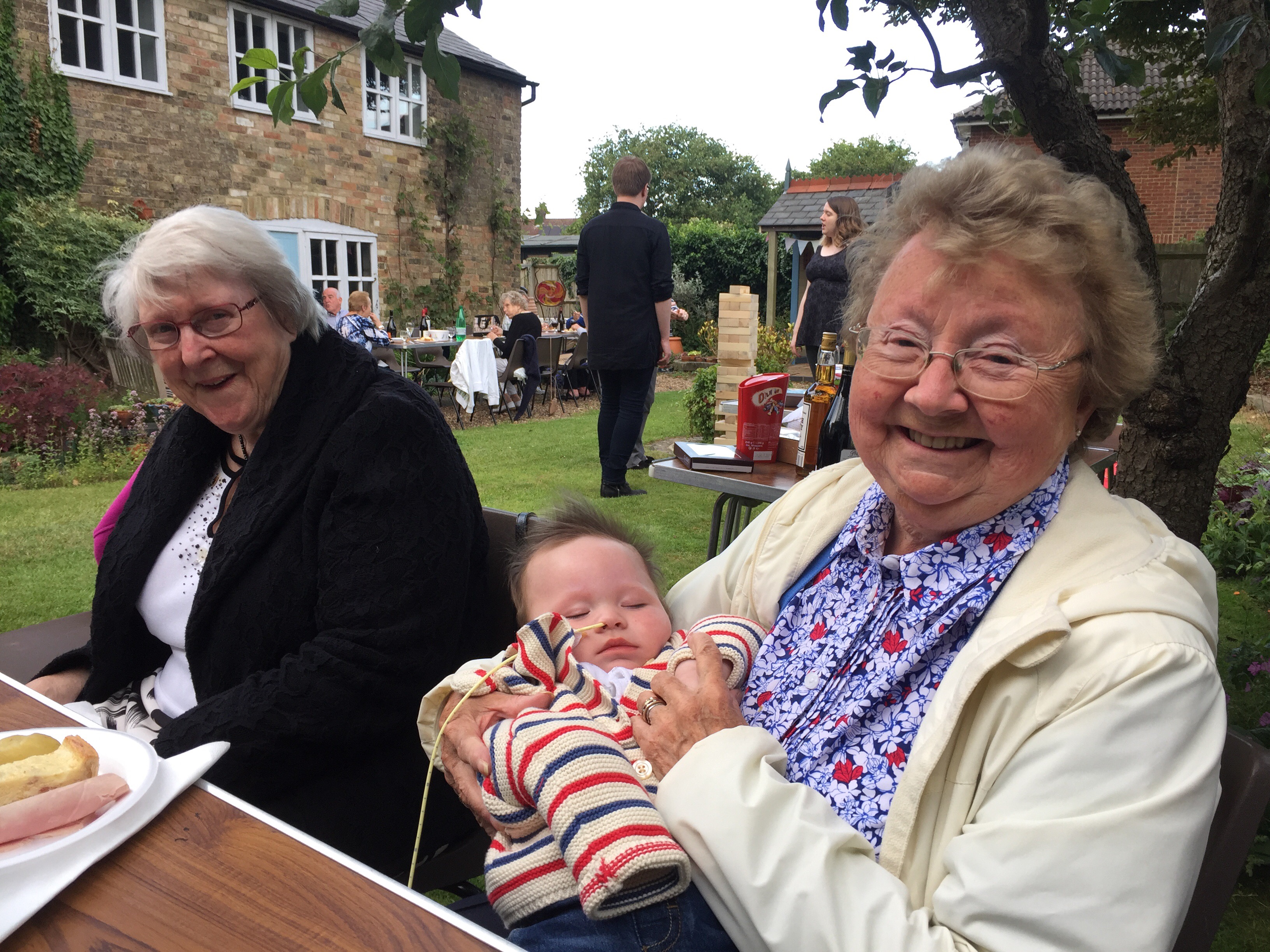
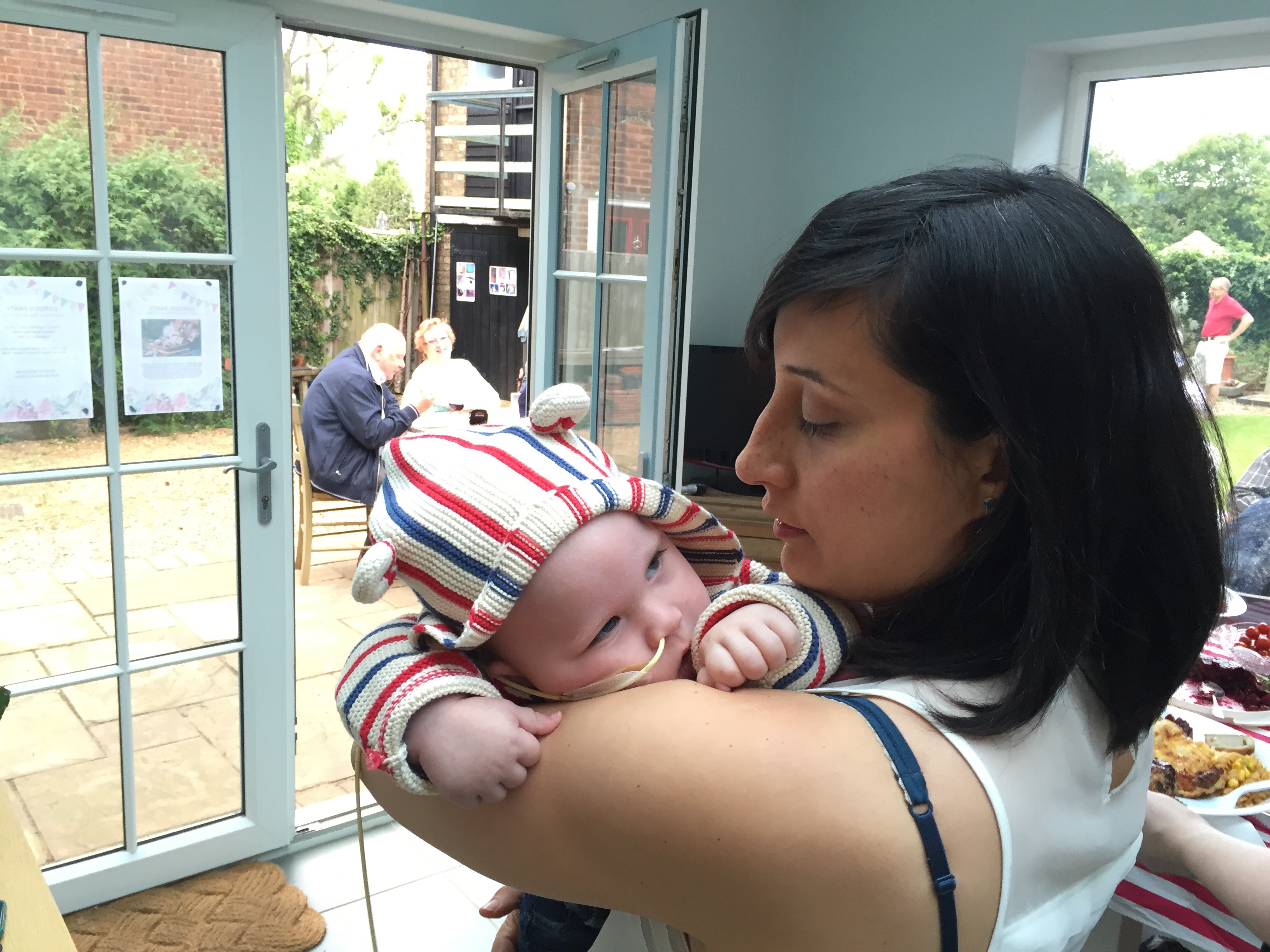
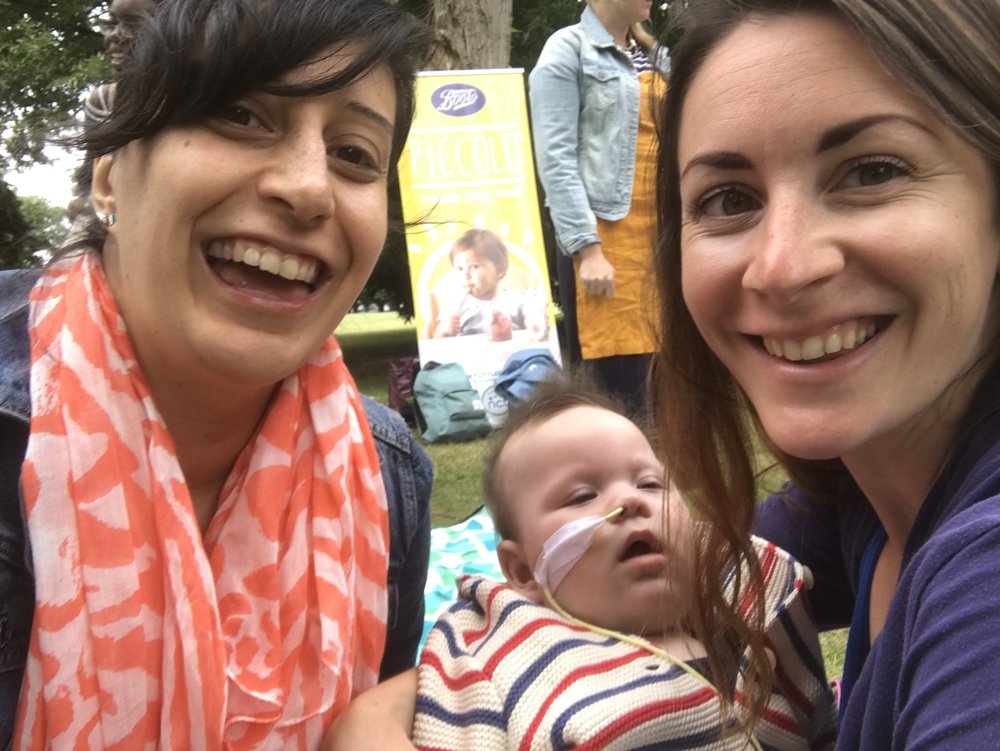
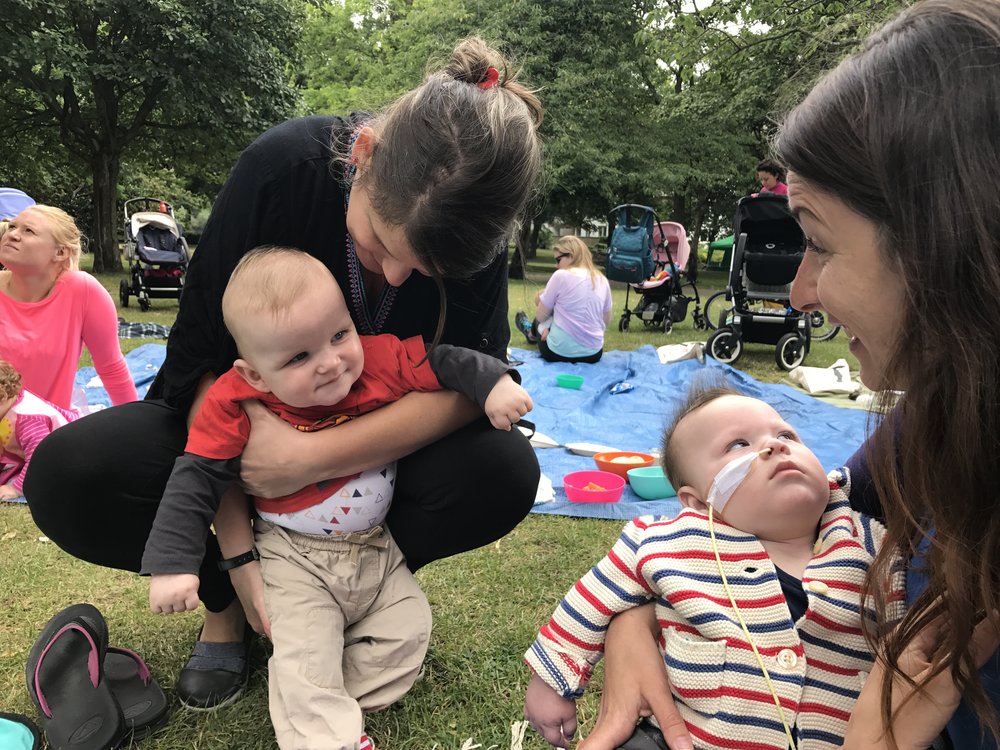
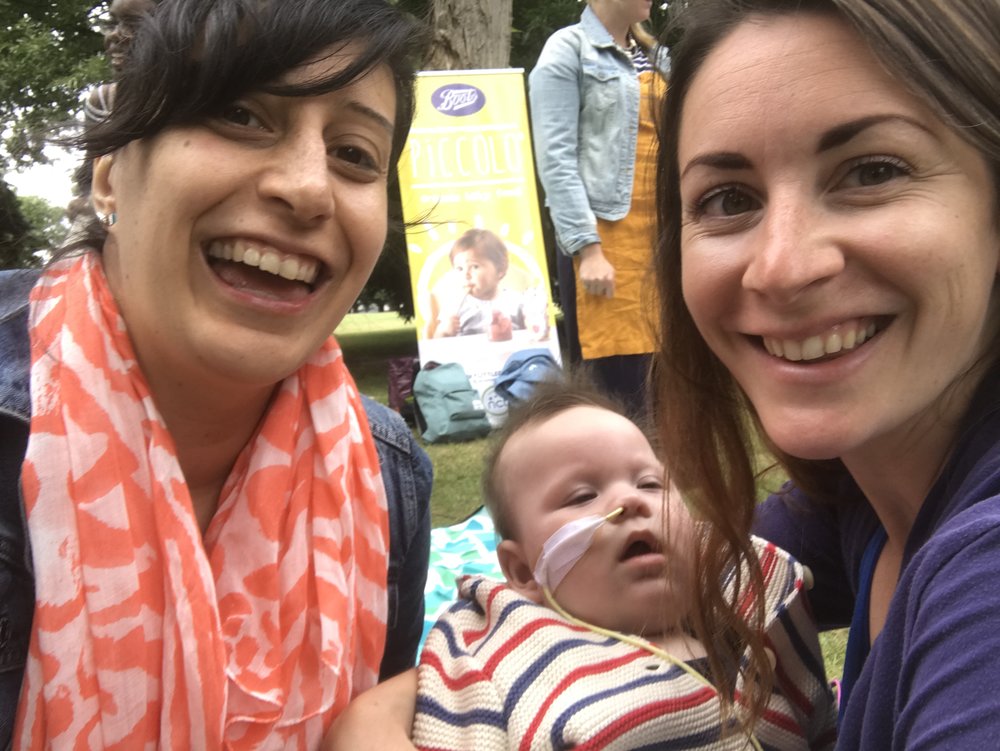
My baby boy is ten months old and he can’t hold up his head. It’s why in almost all of the photos of Kai you’ll see us carrying him like a newborn, supporting his head.
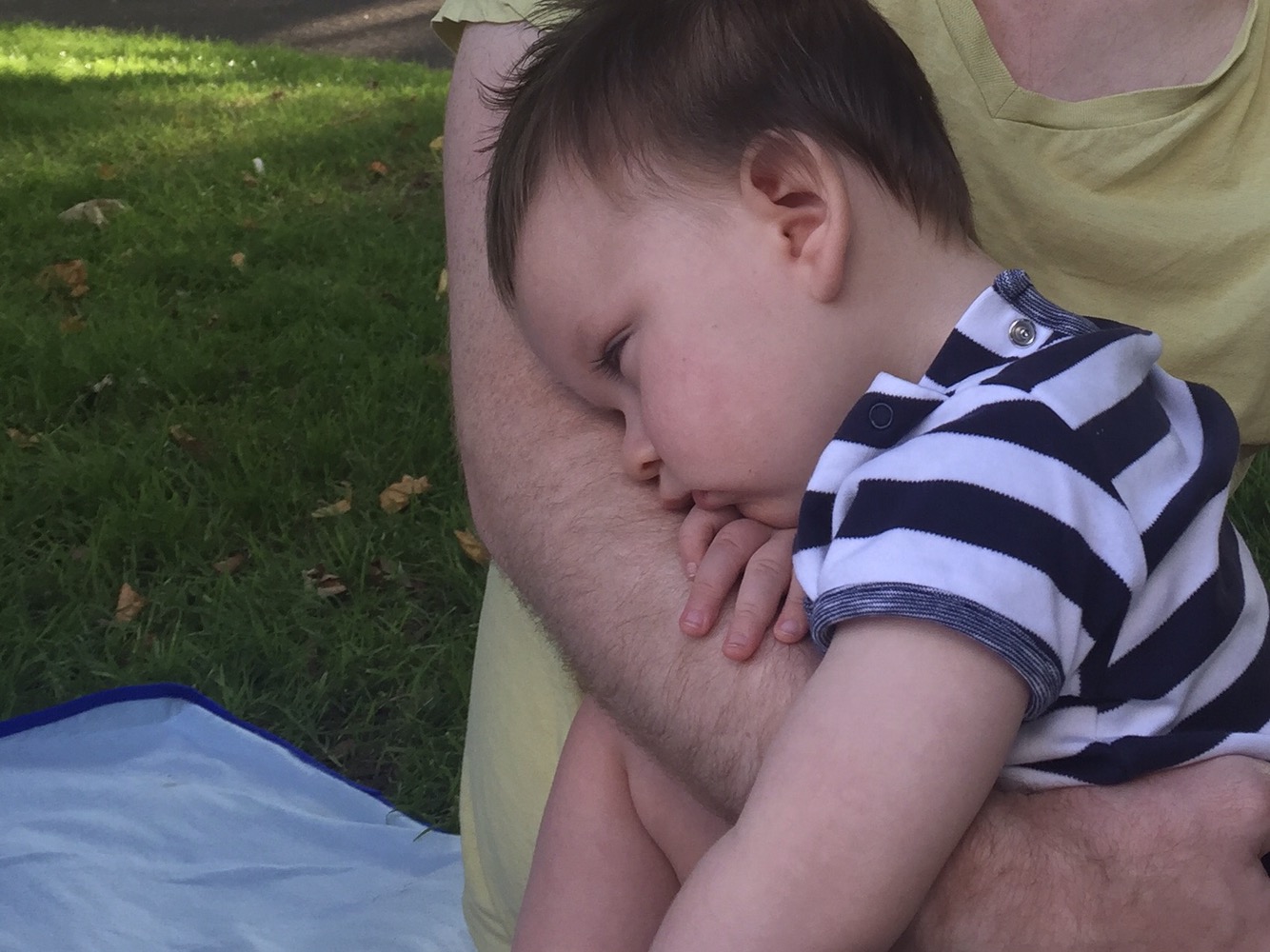
When most of his peers are pulling themselves up on things, cruising and generally little whirlwinds of energy and curiosity, when typically babies at two months can hold their head up… it’s hard to know that Kai can’t. (I’m silently thinking yet, but it’s not a surety despite the hope that accompanies it).
When we were told many many months ago, way back in that little room in NICU, weeks after Kai was born that he was going to have a profound developmental delay I didn’t really listen. Because at the time, what I heard was that my baby was going to live.
To have profound disability, you had to live. Anything beyond that we’d deal with, I was sure of it. We’d do daily physio and whatever and Kai would be fine, because he was going to *live*. Anything else came secondary.
Truly understanding what everything past ‘living’ would mean has taken months of grief and therapy. It’s taken living it. They were right about the developmental delay. Head holding is the foundation for most skills. Without head holding there can be no sitting. There can be no crawling. There can be no standing.
And the standing is an important one, because weight bearing is how hip sockets are formed properly. Without weight bearing, Kai’s hips risk hip dysplasia and dislocation (and pain).
Sitting is also important – the more his core is engaged, the less likely he is to develop scoliosis and require an uncomfortable plastic brace or surgery with metal rods.
But to stand you need to be able to sit first. To sit you need to hold up your head.
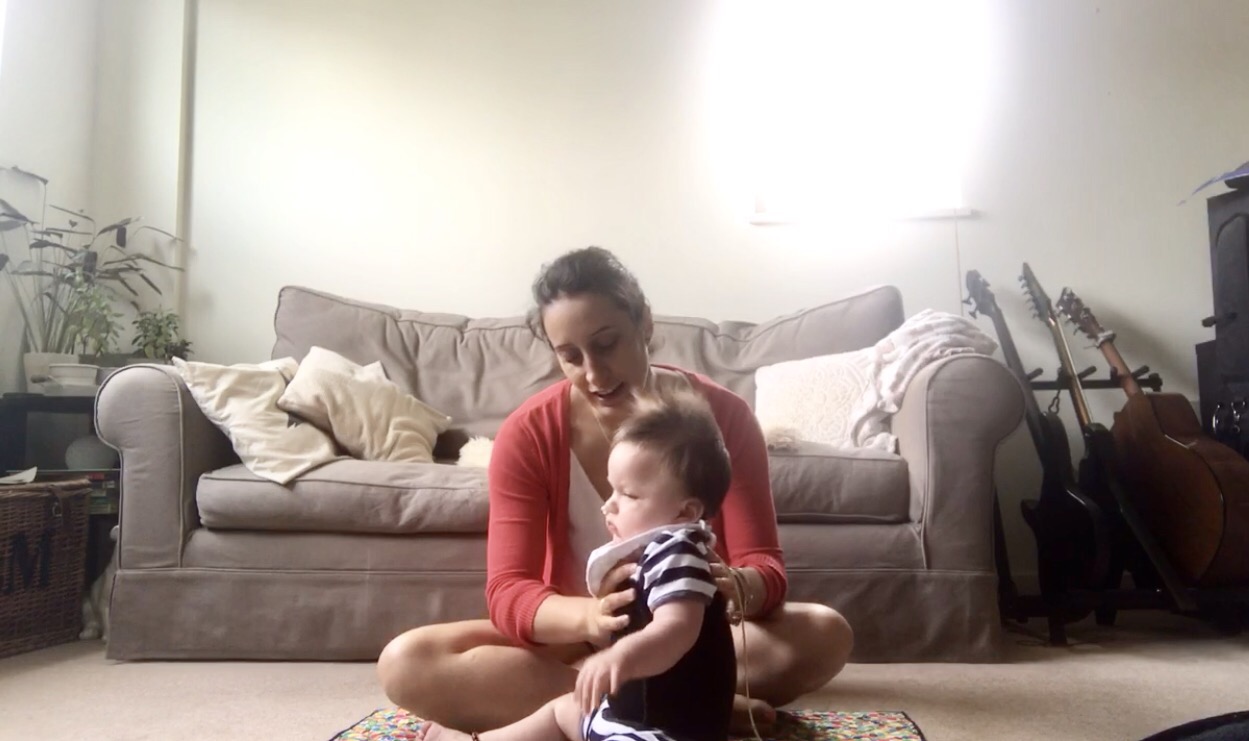
And Kai can’t do that, despite our daily efforts. Every day, before his feeds, if he’s awake we do a little bit of physio. Five – ten minutes at a time. Little and often.
We support his core with a support band designed for an adult thigh, wrap it around his belly like a stabilising support brace and ask Kai to hold up his head. (Thanks Kirsty for the tip and the brace!)
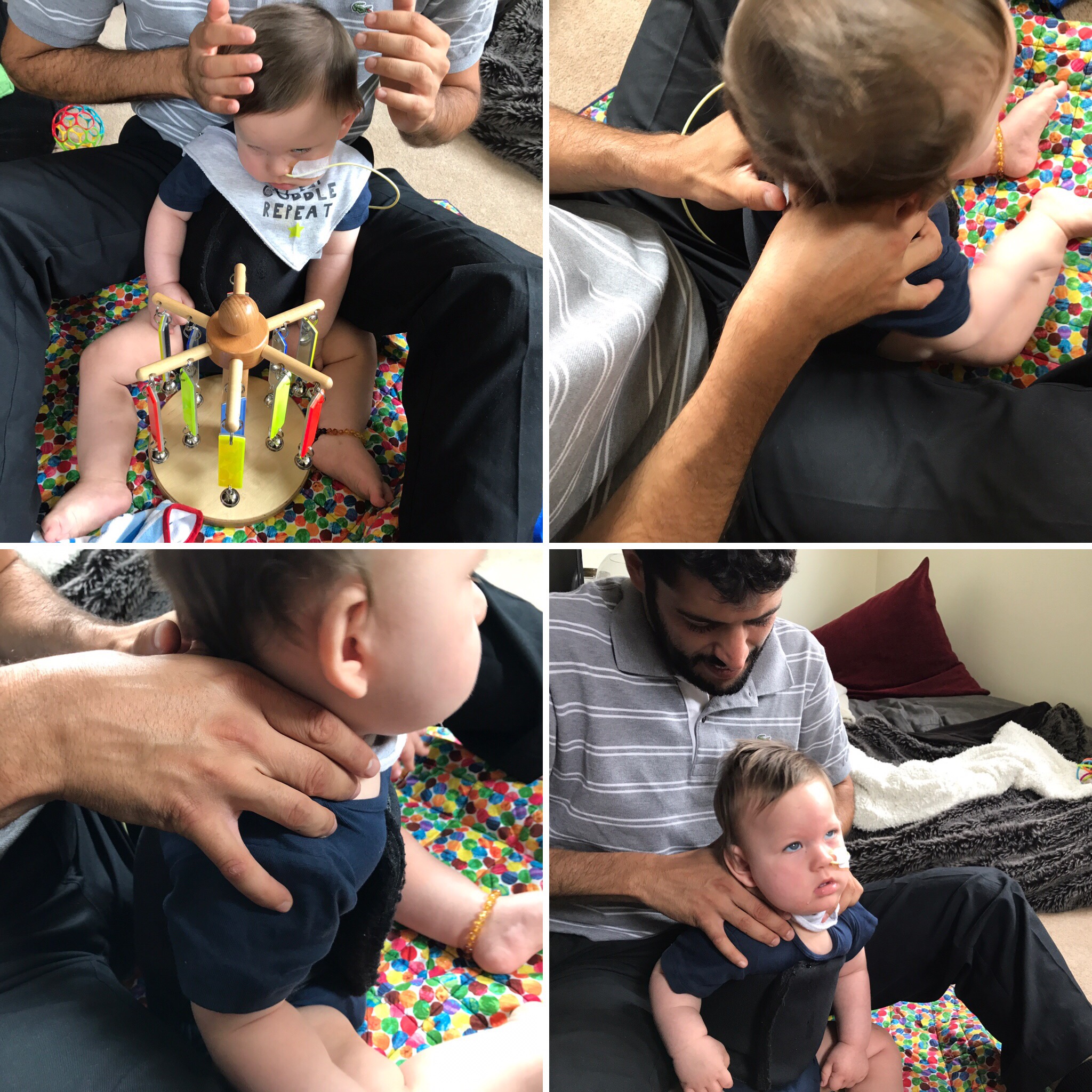
On a good day, he’ll manage a few seconds. On a bad day, he’ll be like a rag doll.
We do a bunch of other things throughout the day. Sidelying, tummy time, rolling. We spend a lot of time repositioning his hips – this is easier now thanks to his superman hipp helpers support shorts – their sewn together so Kai’s natural position (a wide splay) isn’t as easy to get into. Better for his hips.
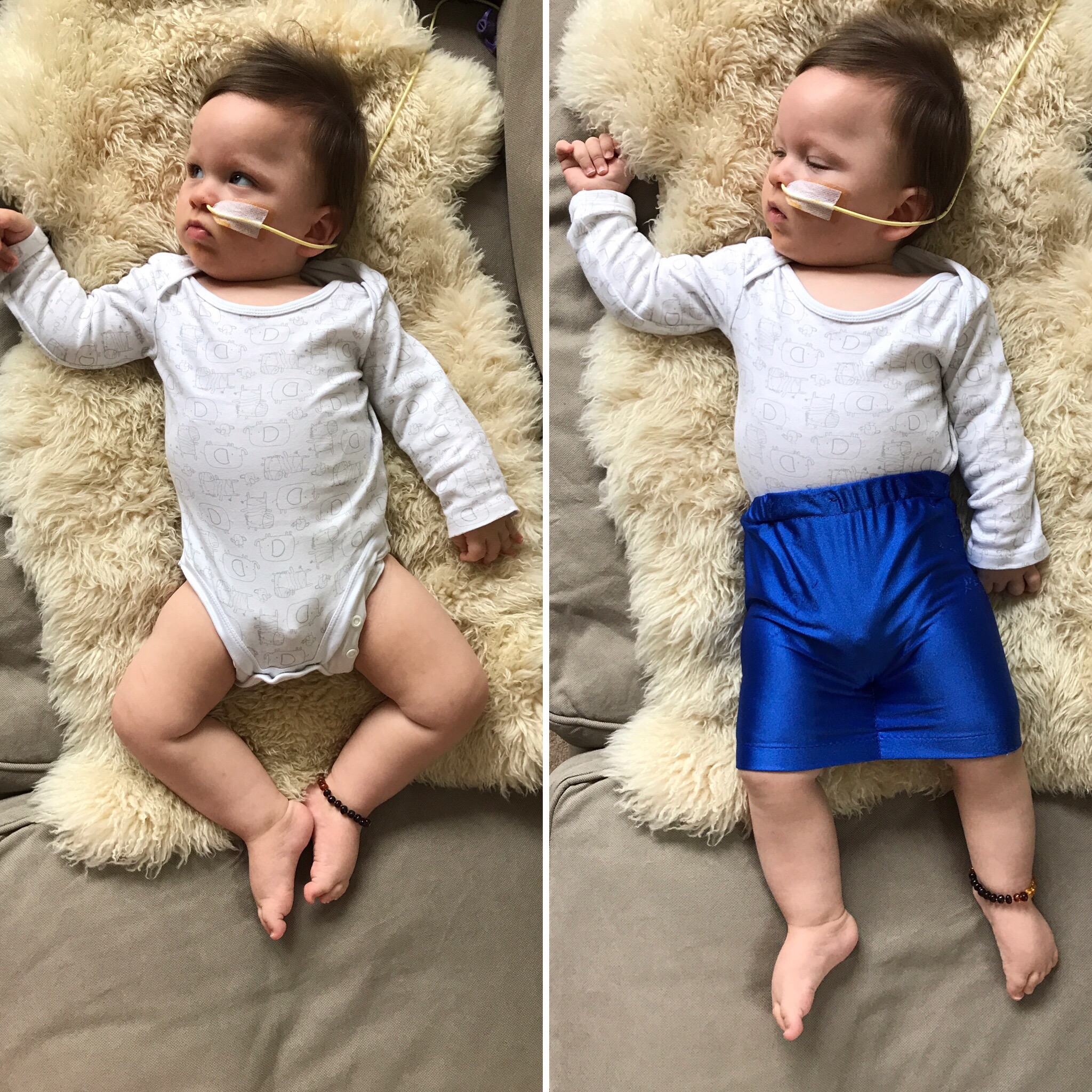
And yet, despite all our efforts, we’re still high risk of scoliosis, and hip dysplasia. We’ve been referred to paediatric orthopaedics, another medical professional on our already very large team.
I know. I know it’s early days still. And Kai might manage to hold up his head one day. That he’s on his own path and going at his own pace and today is not the day for head holding.
But as every day goes on, it’s hard not be a bit discouraged. We have so much hope for Kai, and it’s difficult to let go of that hope and still be comfortable in the world of developmental disability.
So, every day. Physio. Every day excercises and repositioning. We hope for progress. Fingers crossed, hey.